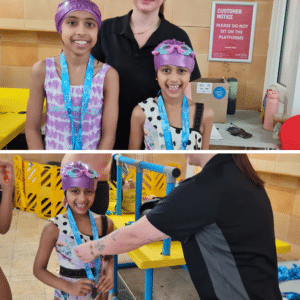
Year 2: Mileya completed a 500m swimathon!

Year 3: Butser Ancient Farm
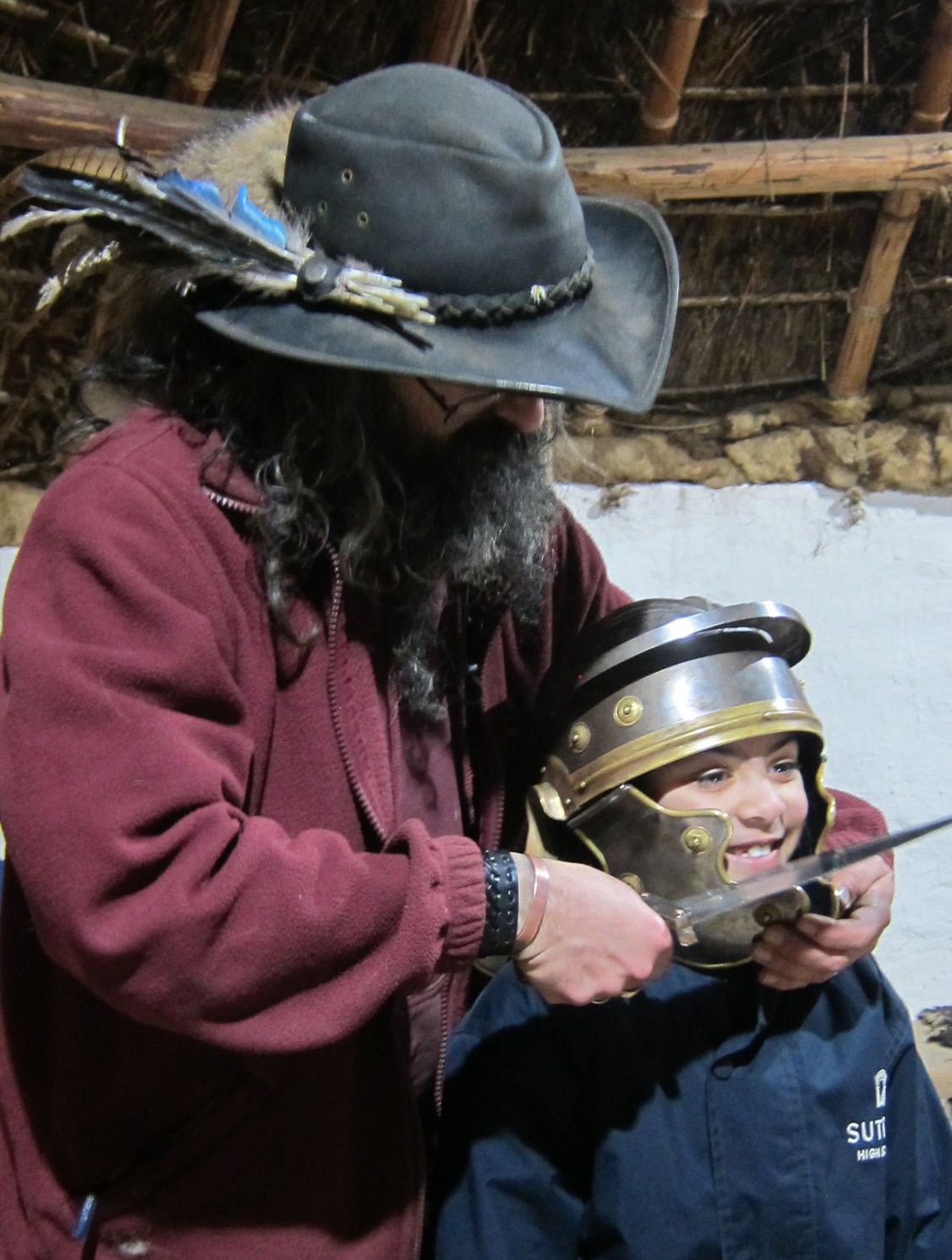
Year 3 had a wonderful time during their visit to Butser Ancient Farm recently. They were very ably led by Adrian, who does Roman re-enactments at weekends and was so knowledgeable about our topic: How did the Romans change Britain? In fact, one of our parent volunteers commented, ‘He’s really engaging!’ and a pupil was overheard saying after only the first activity: ‘This is the most interesting day of my life!’
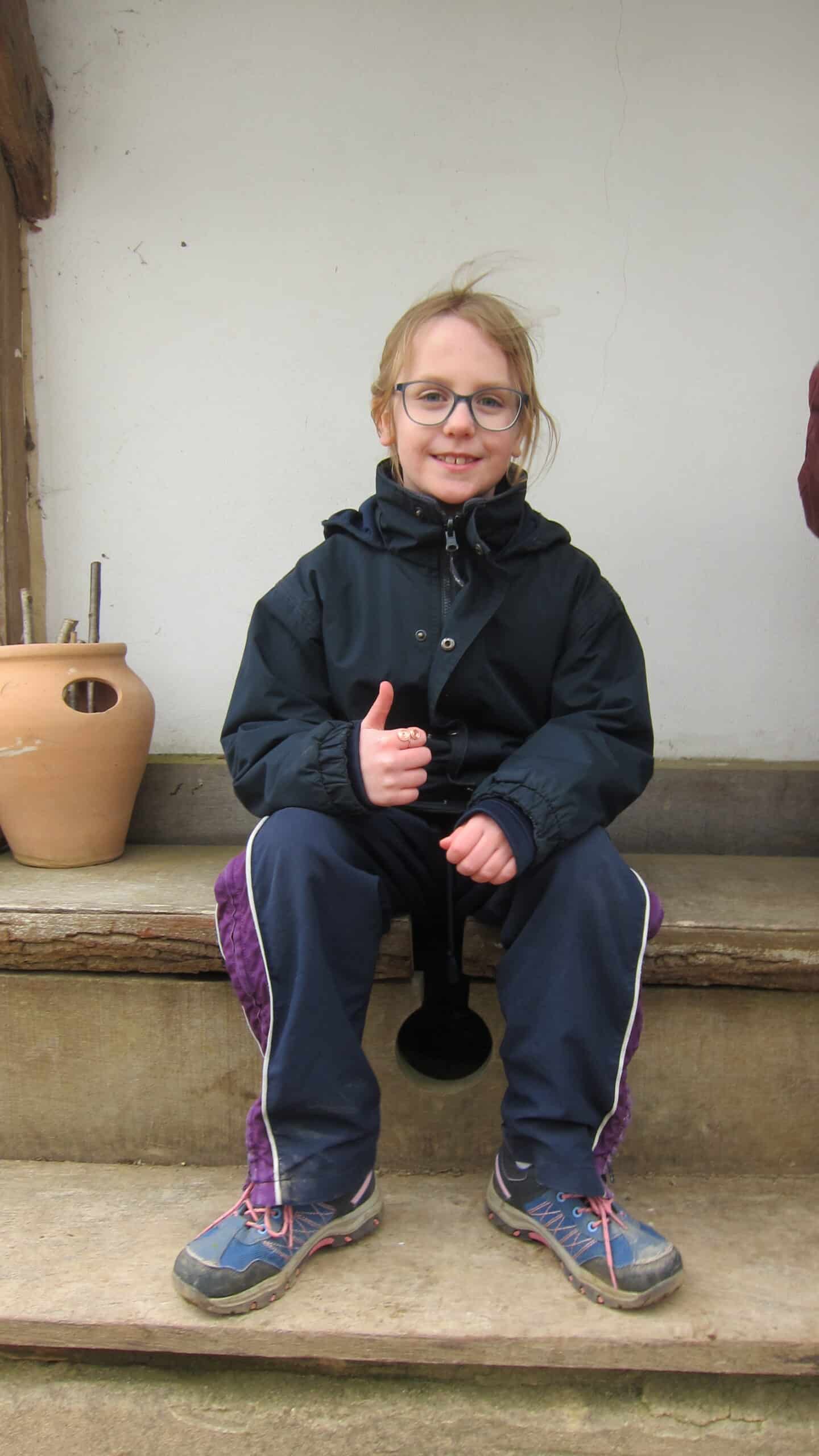
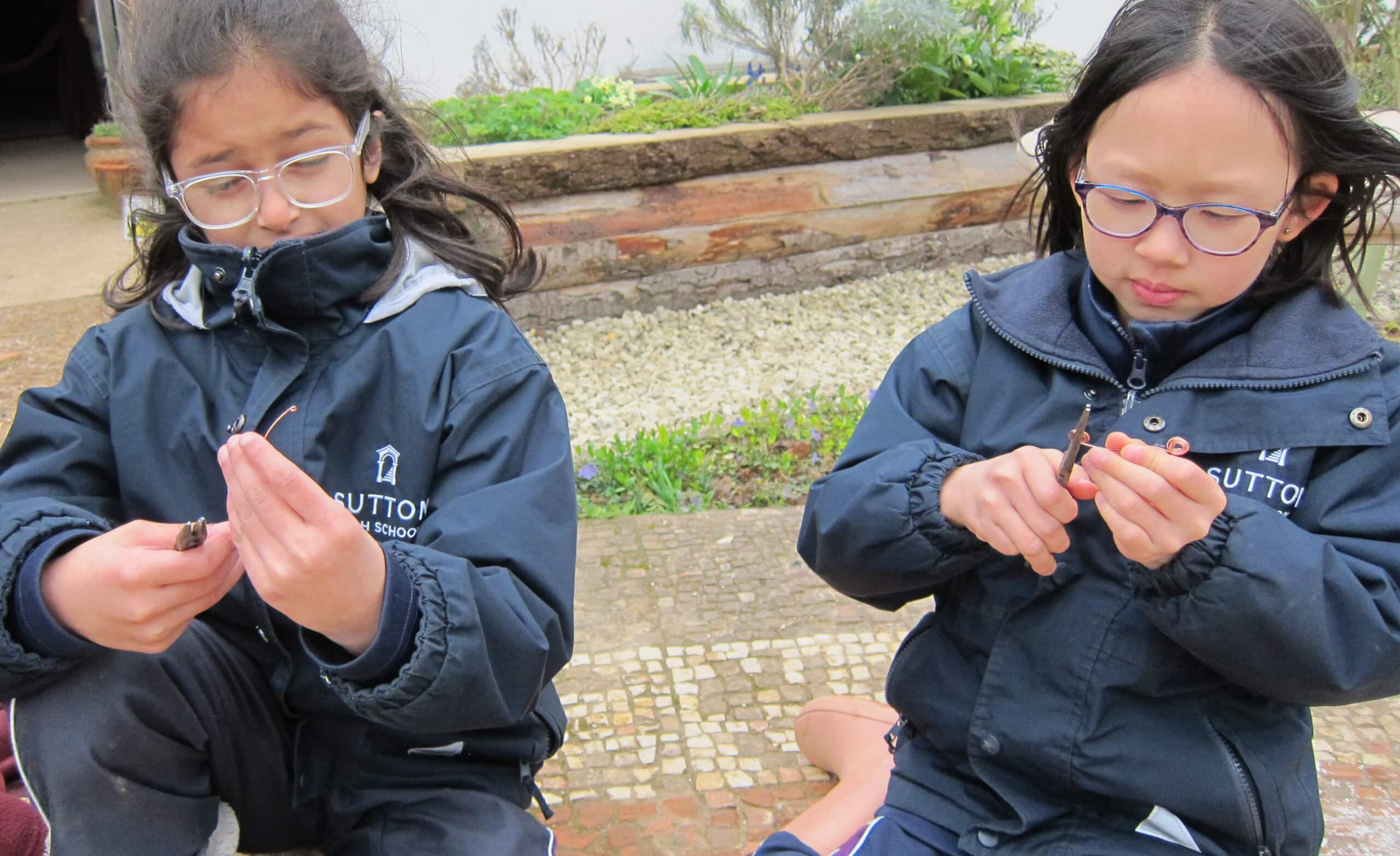
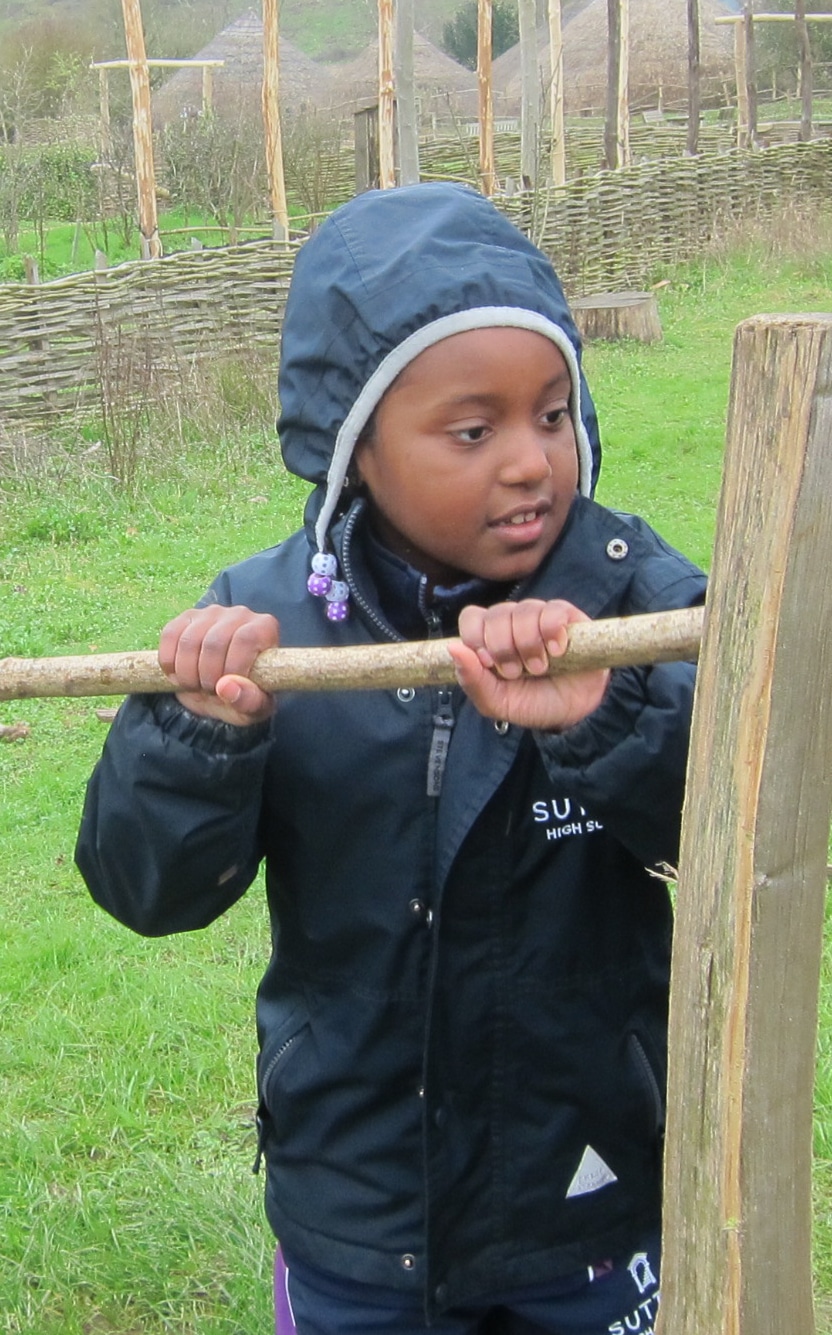
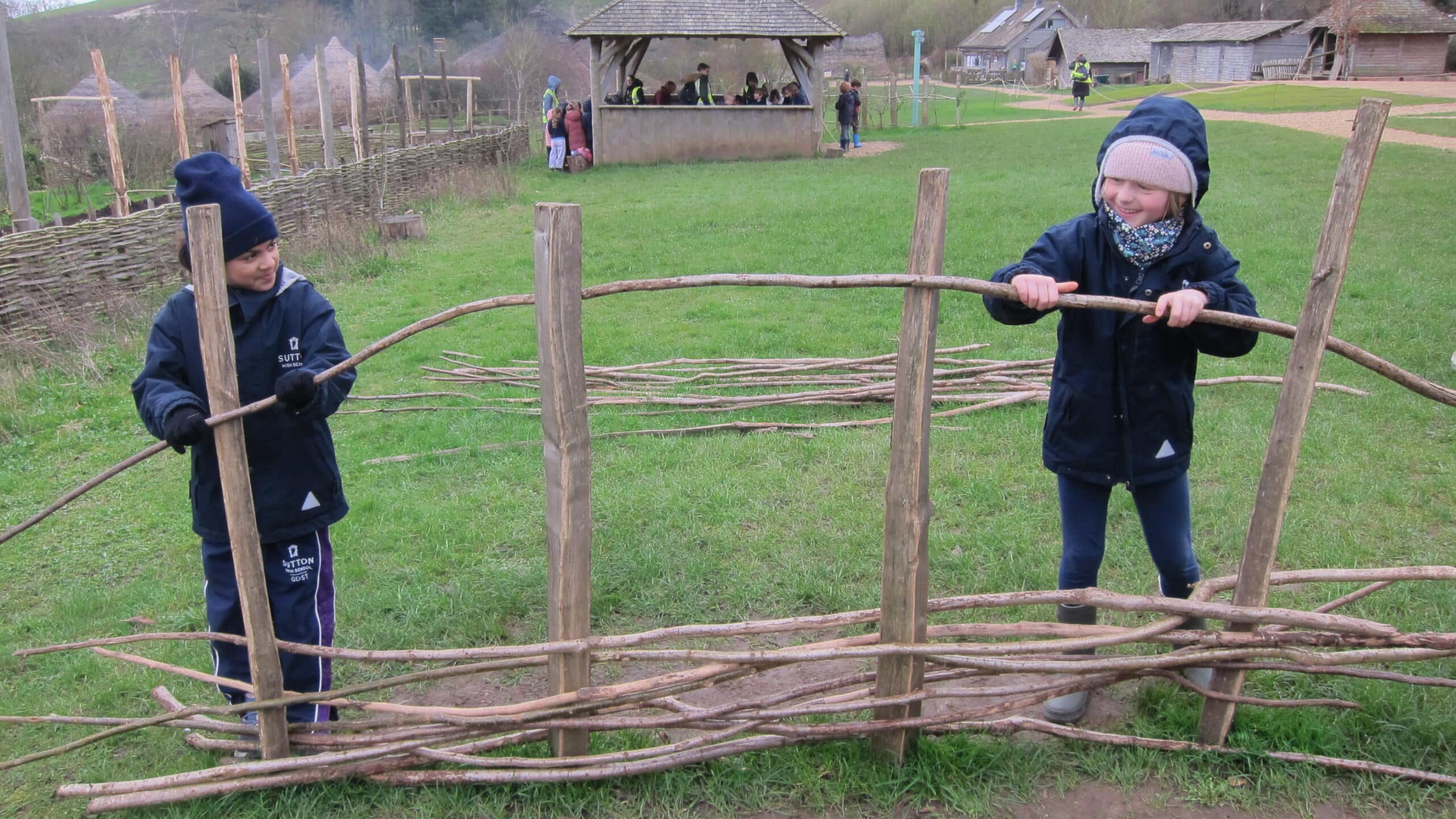
The attached photos show the girls at their four different sessions. They did wattling (the Celtic way of making fences by weaving hazel saplings between oak posts), handled Roman artefacts, (we bet you can’t guess what the military use for a ‘stimulus’ was!) made Celtic jewellery from pieces of copper wire and explored a Roman villa. Adrian said as we were leaving (and I quote!) ‘I’ve had a lovely day – I don’t want to say goodbye! Teachers, you should be very proud. You’ve got such lovely pupils – they listen really well and ask such great questions.’ Well done, girls! We are very proud of you all. It really was a fascinating day and we all learnt so much!
If you are interested in visiting Butser Ancient Farm yourselves, it is open to the public at weekends and over the holidays. Have a look at their website: https://www.butserancientfarm.co.uk Adrian has told us that he will be there throughout the Easter break, so if you’d like to go along and meet him, he would be delighted to pass on his extensive knowledge!
Year 4: The Easter Experience
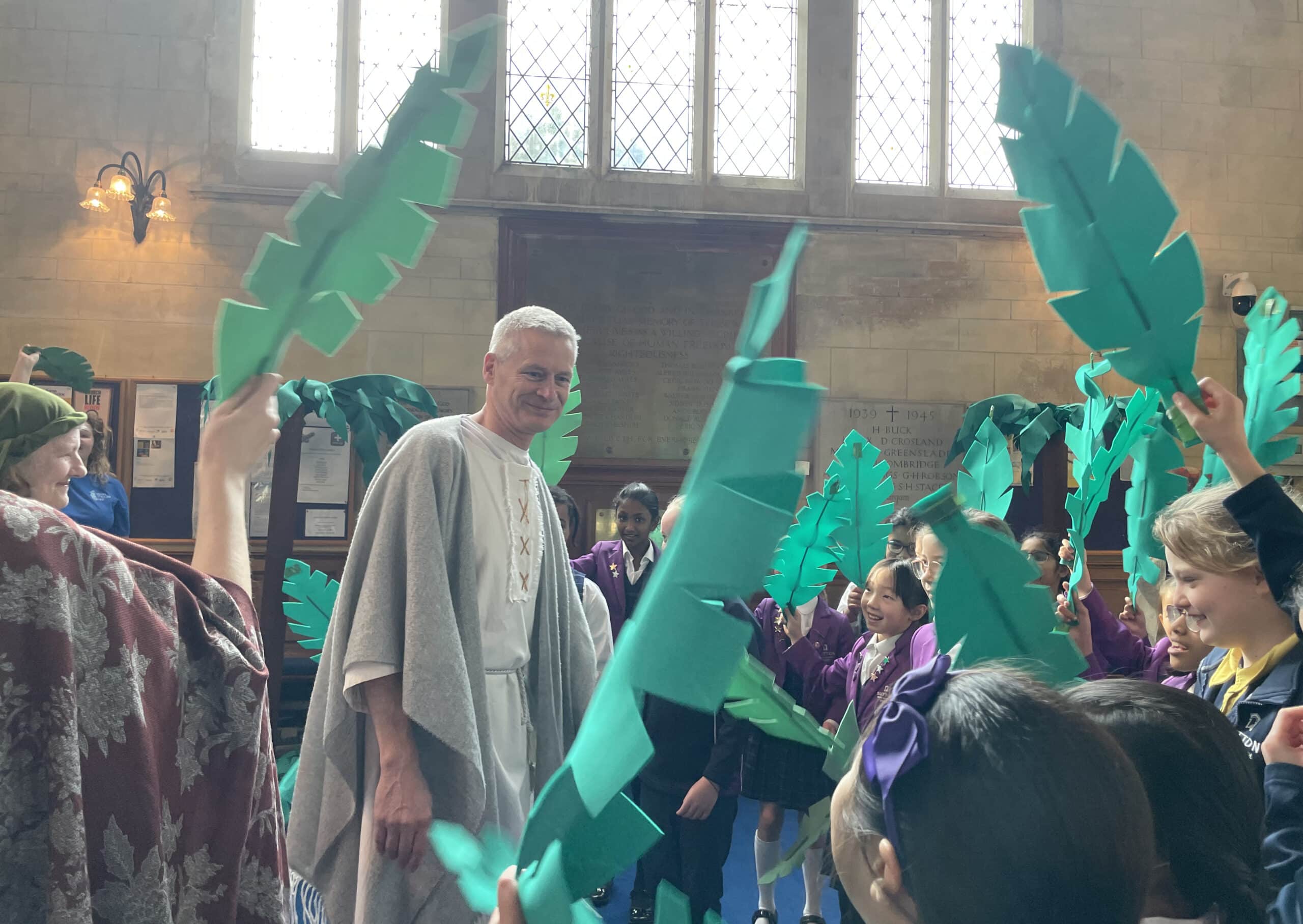
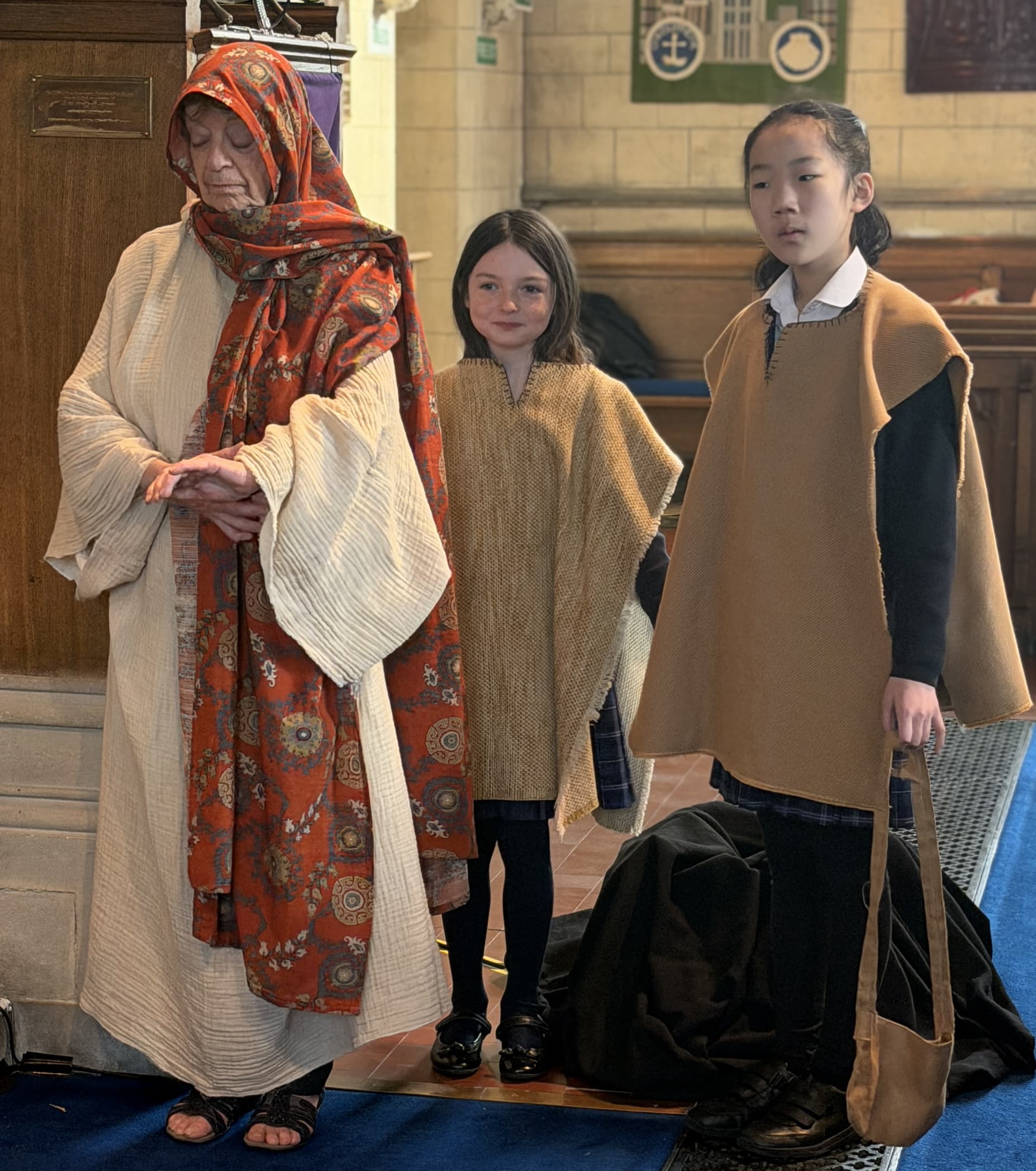
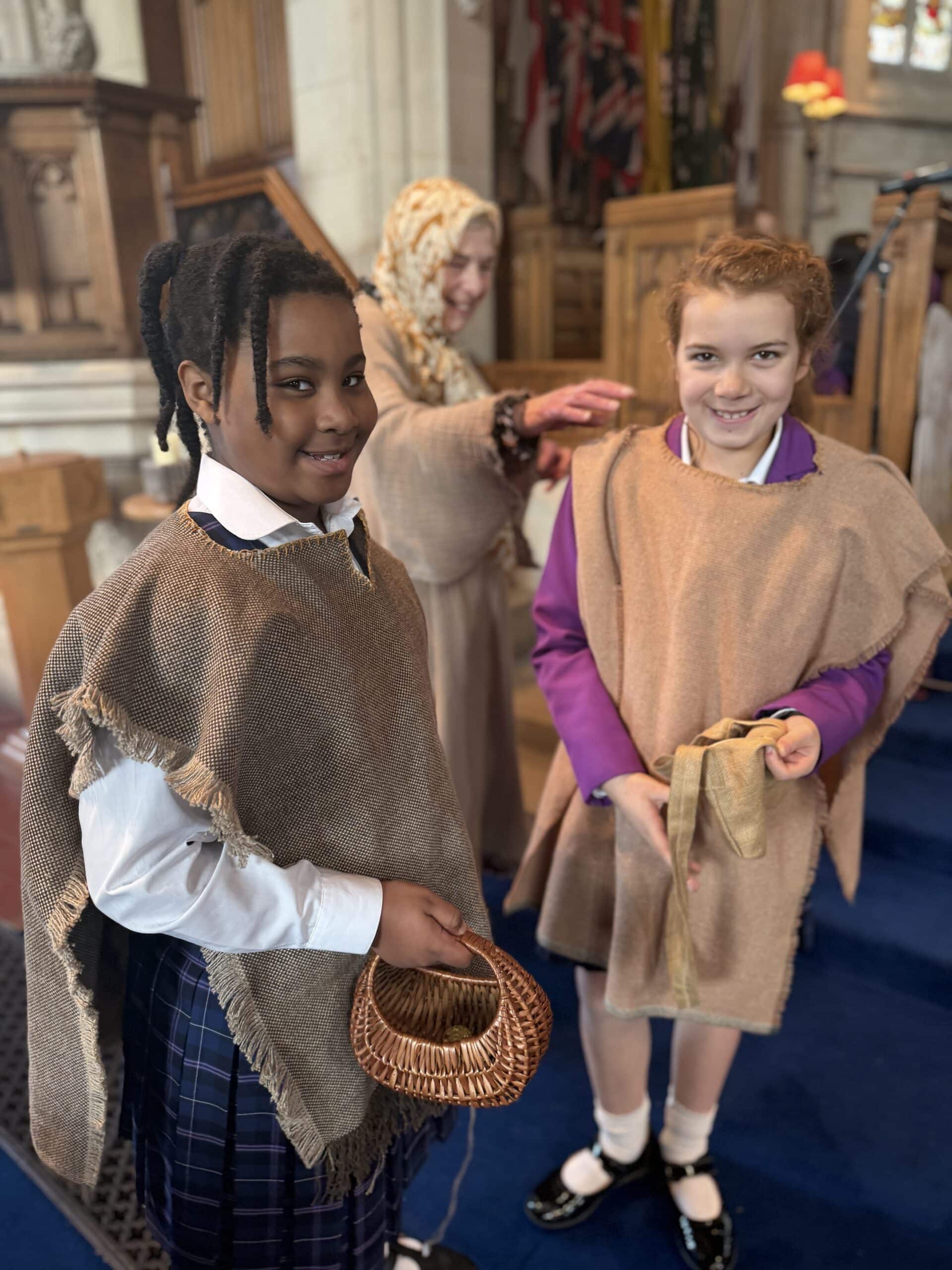
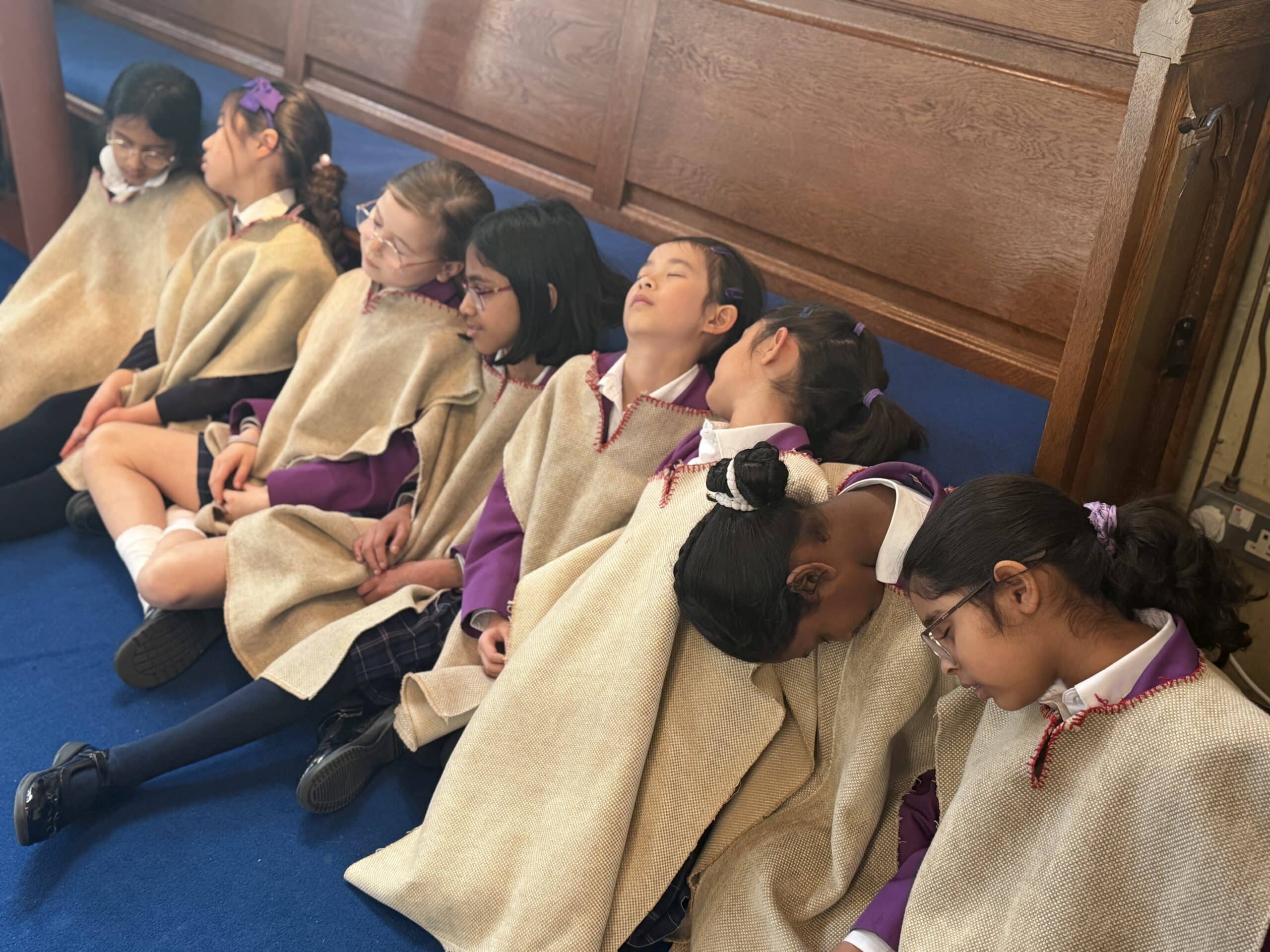
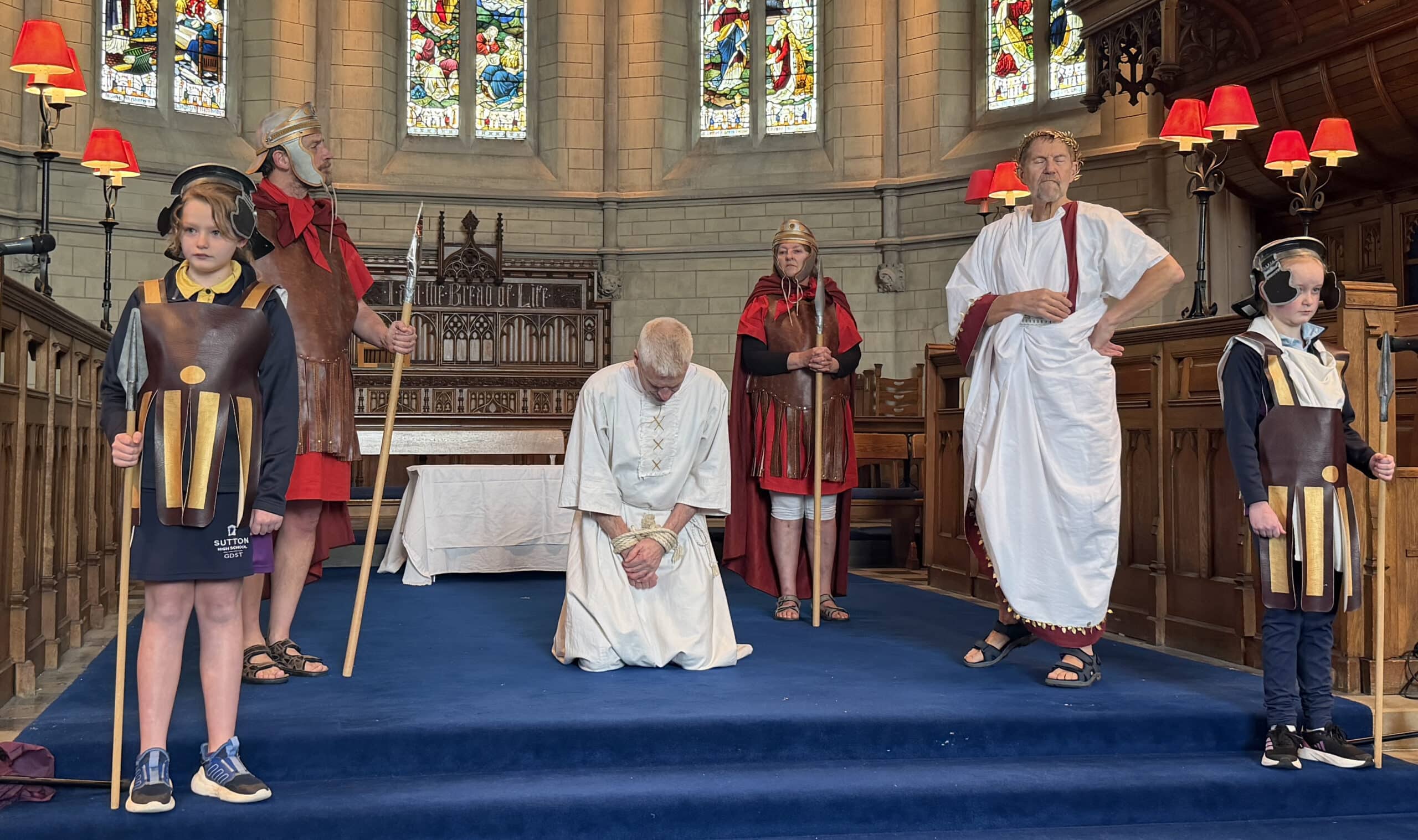
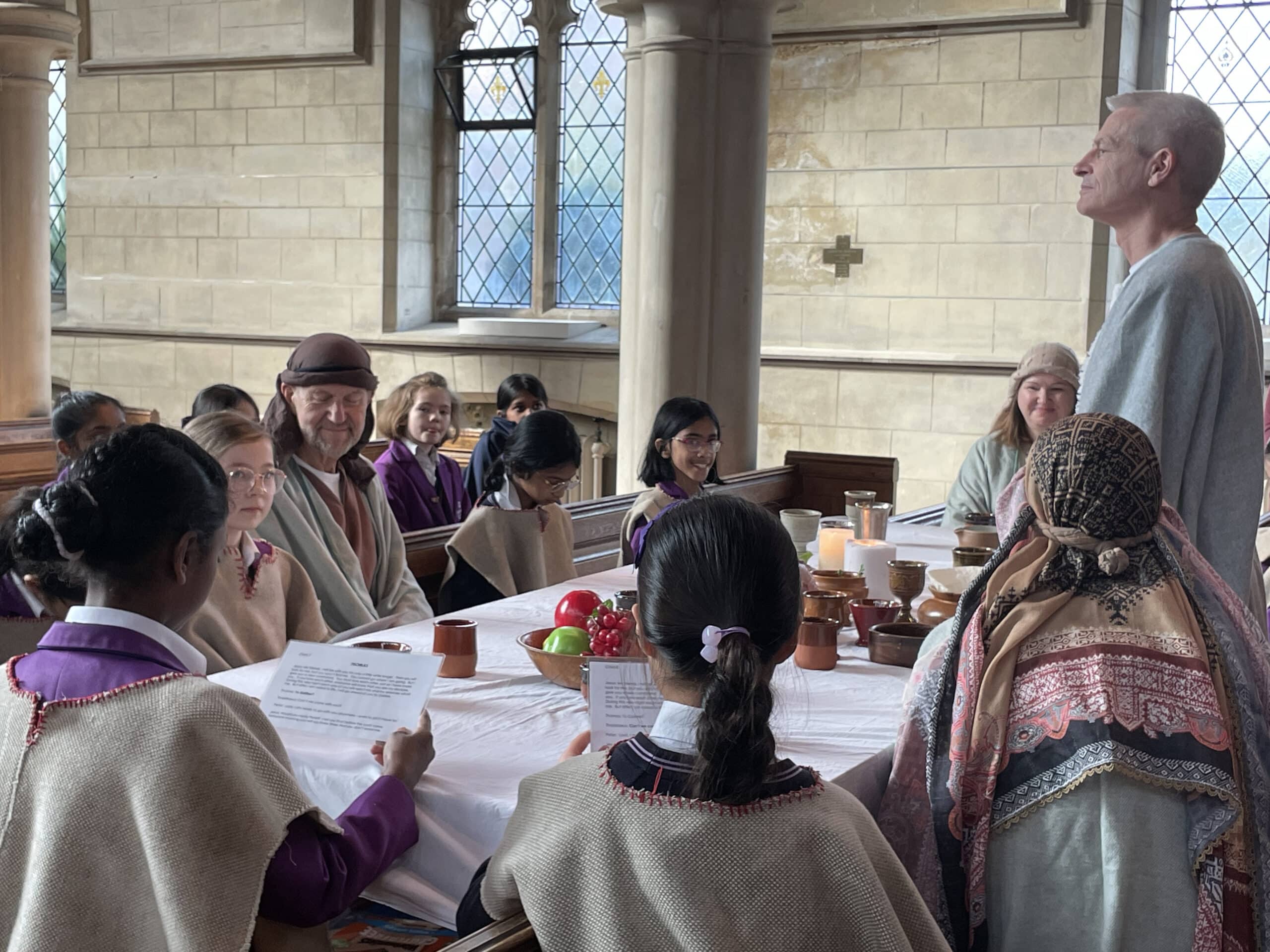
Year 4 recently visited Trinity Church in Sutton, to take part in the interactive ‘Easter Experience’ run by Sutton Schools Christian Work. They helped enact Holy Week, from Palm Sunday to Easter Day, as the story came alive before them. The girls asked a lot of thoughtful questions when they met the cast afterwards, showing how much they had focused on the events.
The photos below show Palm Sunday, Monday in the temple, the Last Supper, the Roman soldiers and what happened at the tomb on Sunday morning. The Easter Experience was a wonderful way to consider this story, which is so central to the Christian faith.
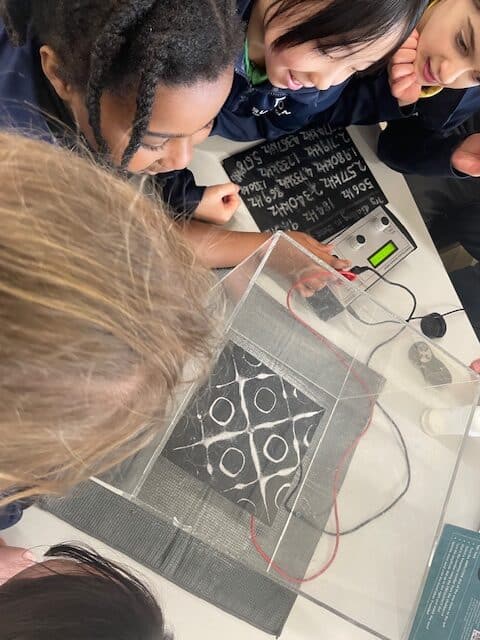
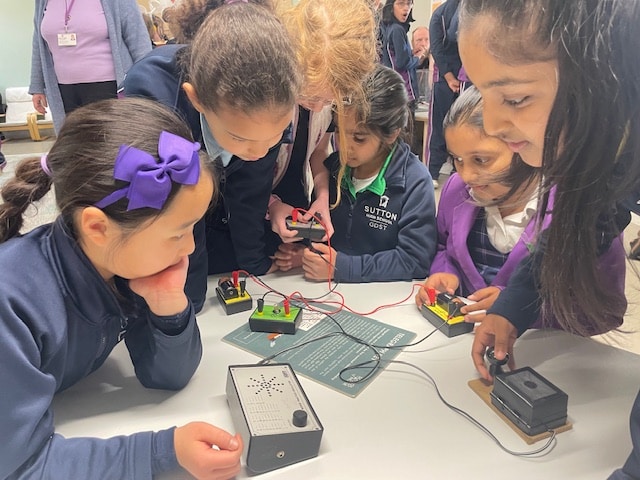
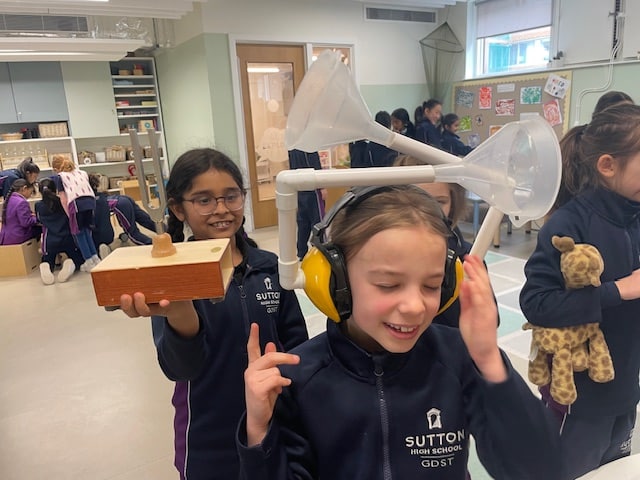
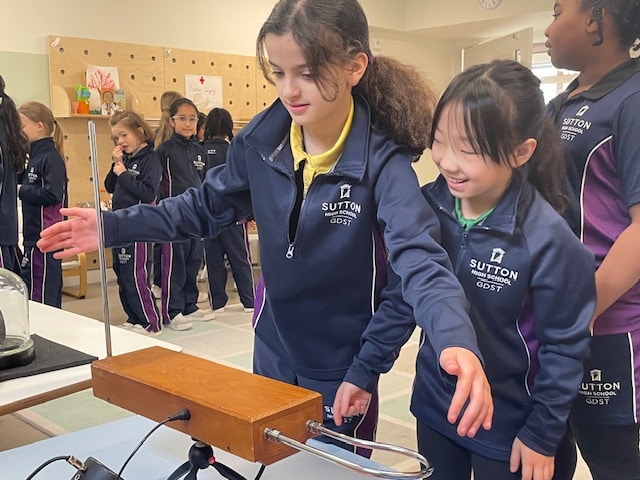
Year 4: Sound Workshop
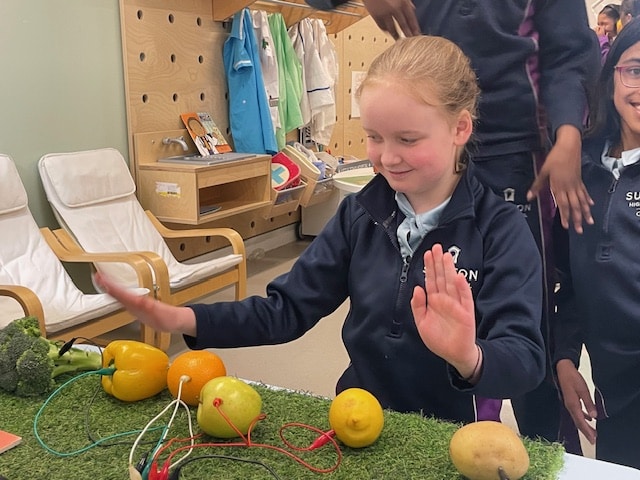
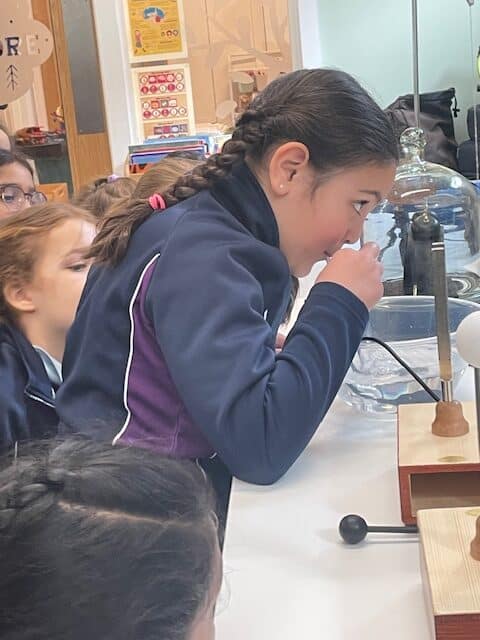
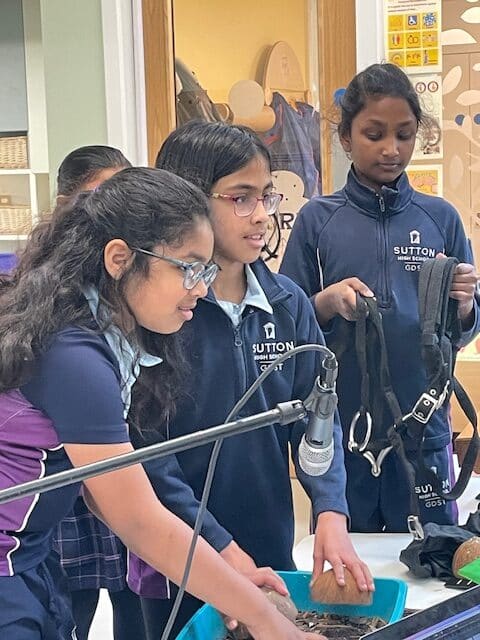
The girls were full of questions and curiosity as they made music with the weird and wonderful theremin and explored the patterns made by different frequencies of sound. They played on a vegetable drum kit and learnt how to use Morse code. They found out how sound is made and how it travels through solids, liquids and gases. They looked inside the ear and discovered how vibrations pass down the ear canal to the ear drum and onto our brains. As Foley artists, they created the sounds of horses’ hooves, birds flapping their wings and the crunch of feet on snow. They even learnt how to record sounds and turn them into a piece of music. All in one morning!
Year 6: Wakehurst Trip
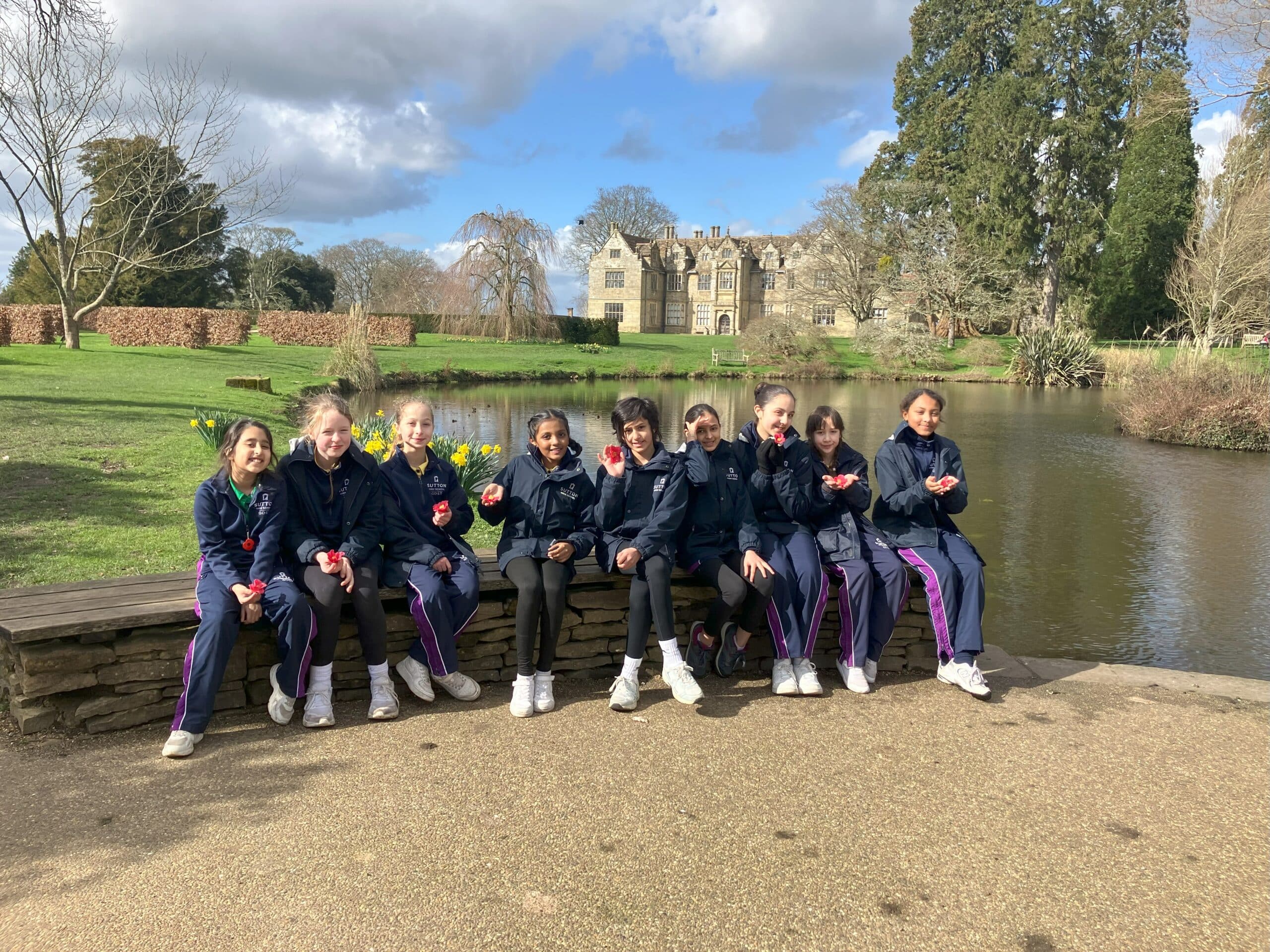
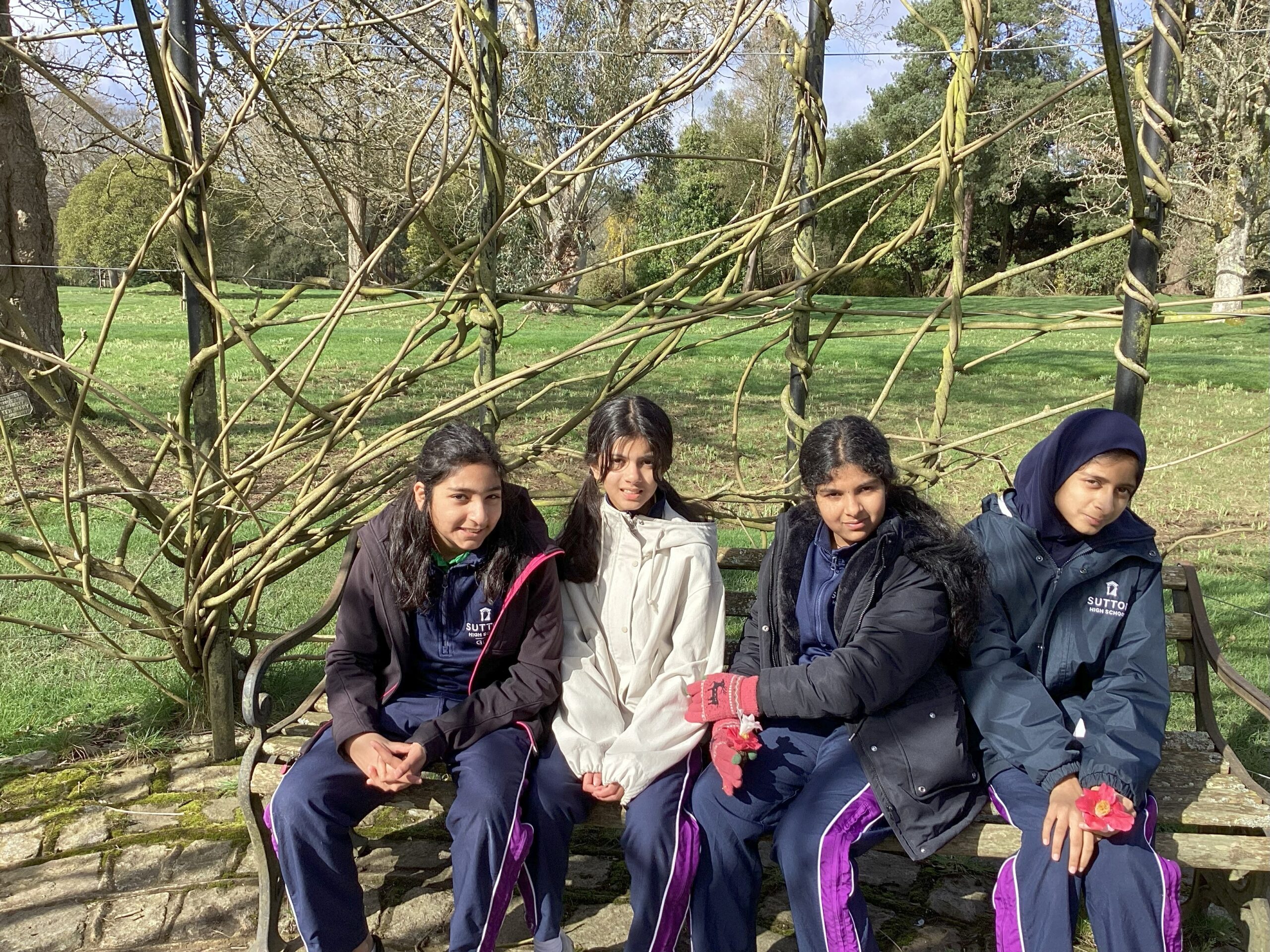
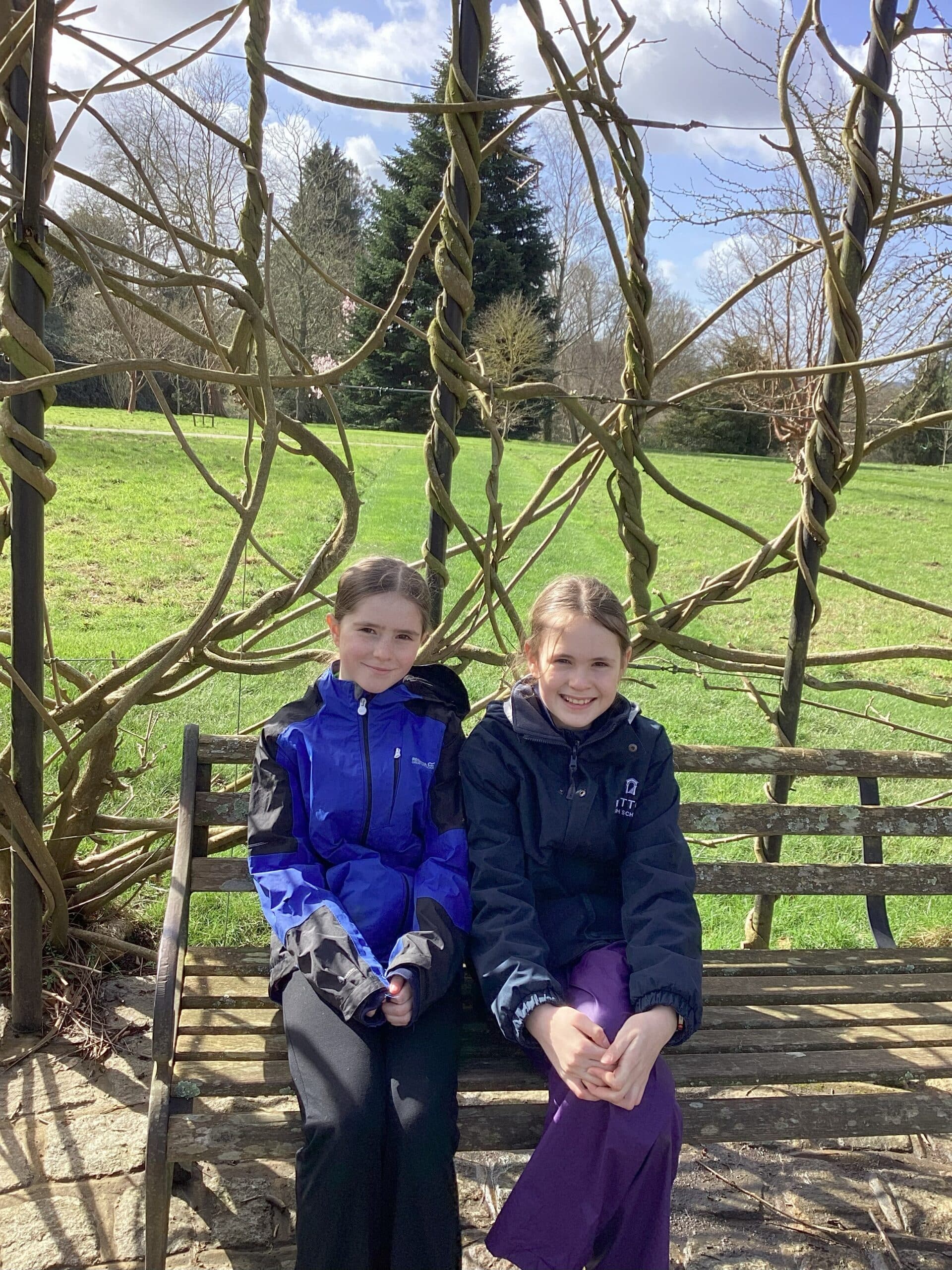
Bright skies and the spring sun shining down on us on a Wednesday morning- that’s how Year 6’s day started as we ventured off to the wonderful Wakehurst! After arriving at school on time, with eager smiles and snack-filled rucksacks, we headed over to our double decker coach! We were all in awe of this two-tier vehicle and couldn’t stop nattering as we climbed in and set off.
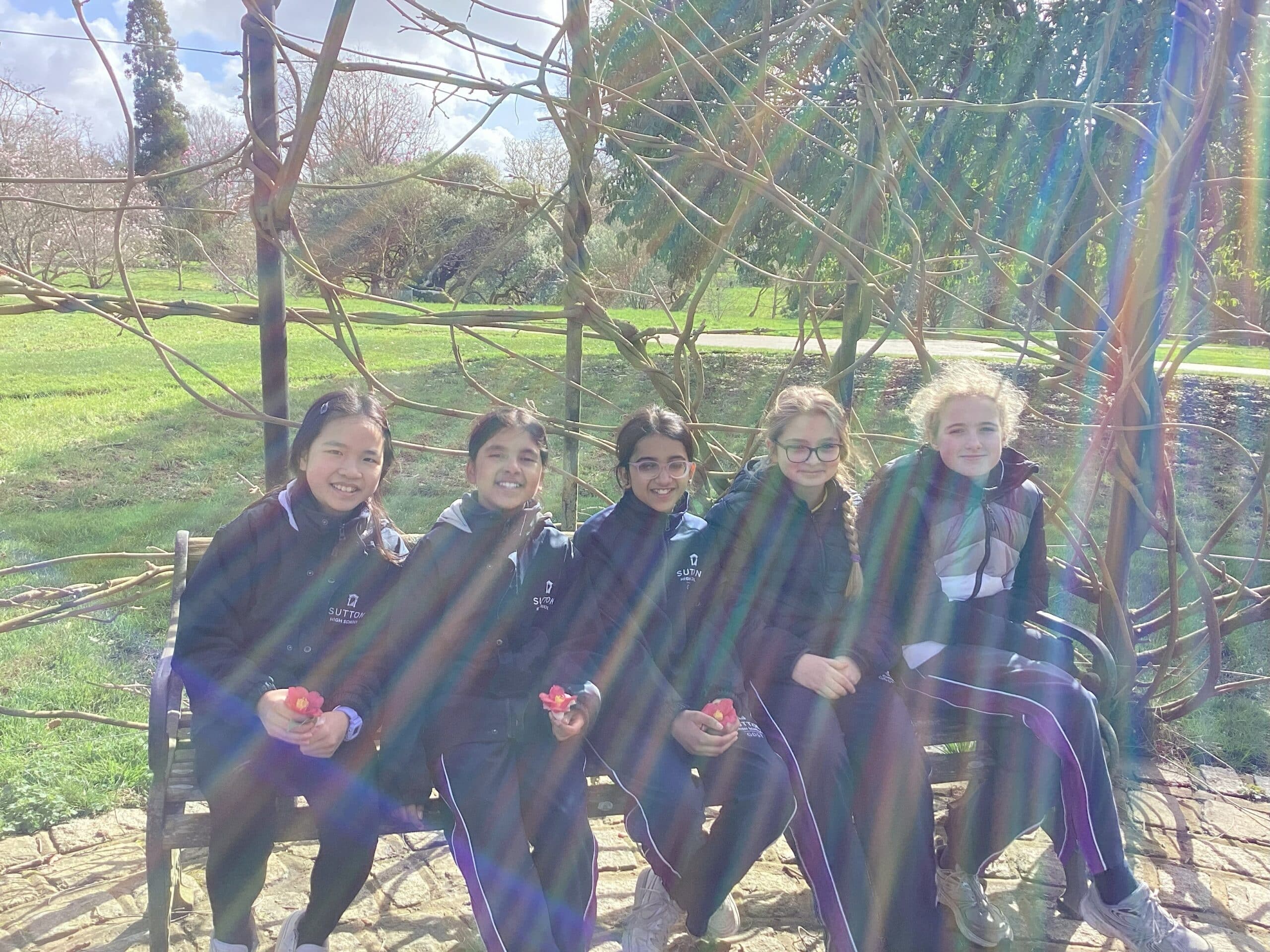
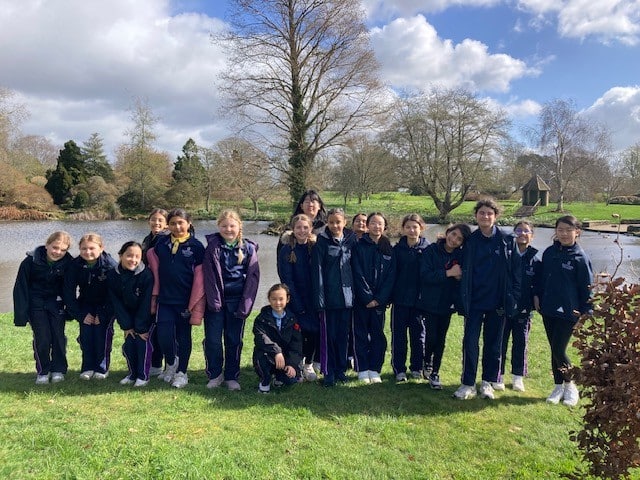
After a rather long but fun journey (which included singing, chatting and a few short naps) we had finally made it to the lush botanic gardens. We split into our class groups and were introduced to our friendly guides- Kim and Ruth.
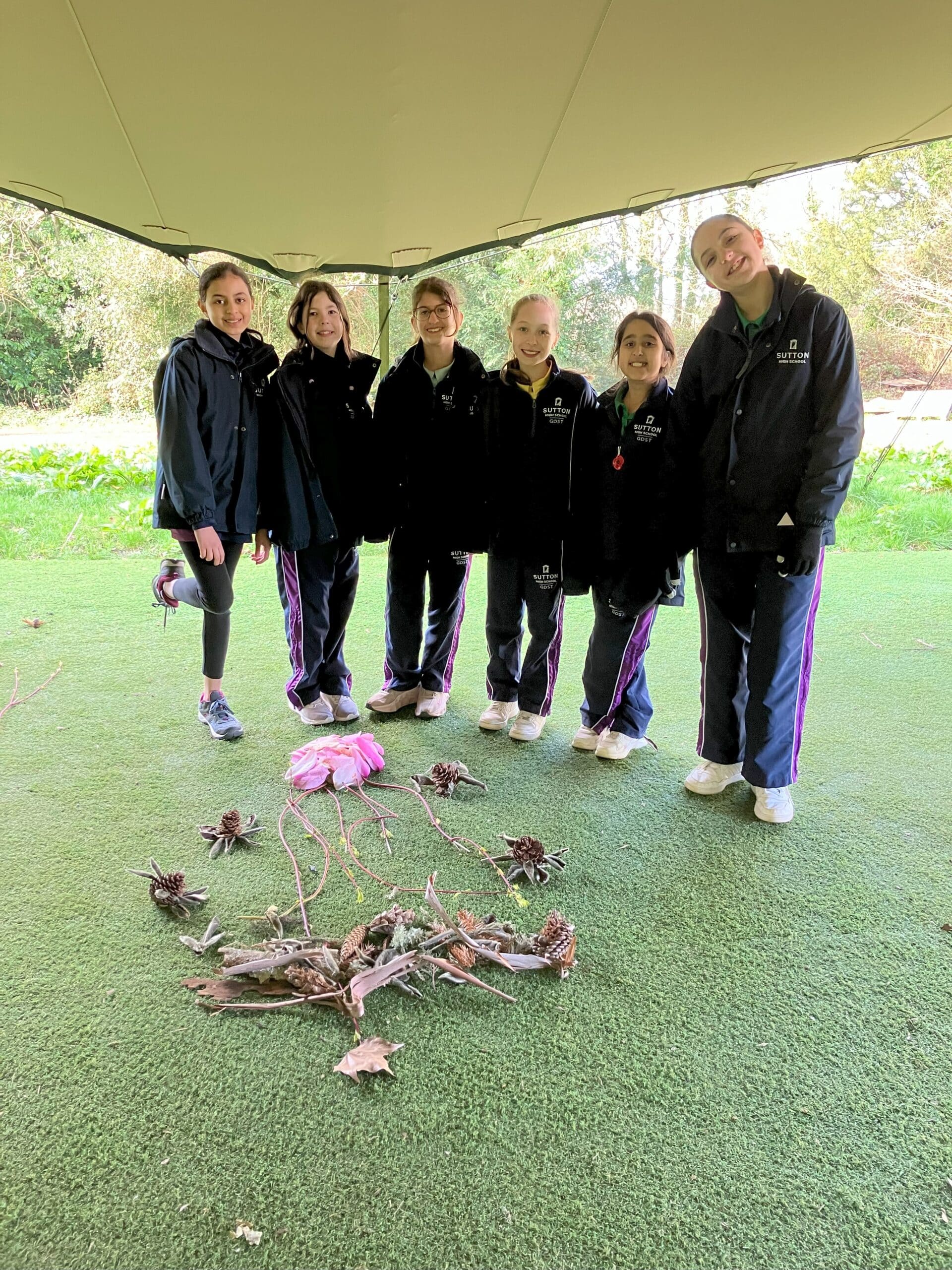
All the excitement of arriving at Wakehurst had our stomachs grumbling, so we demolished our snacks and went on to start our first activity… Nature Art! We were tasked with making a piece of art on the ground (either an animal or plant) out of natural materials: twigs, petals, bark, leaves (including a furry leaf that protects the bud in the colder seasons). With our creative juices flowing and our friendly competitive spirits, we set off to grab our supplies and after this we were given 10 minutes to complete our artwork. The final pieces were brilliant! Our groups had created 4 pieces: a jellyfish, a group of squirrels, flying bunnies hiding from a snake and a school of fish with a seahorse.
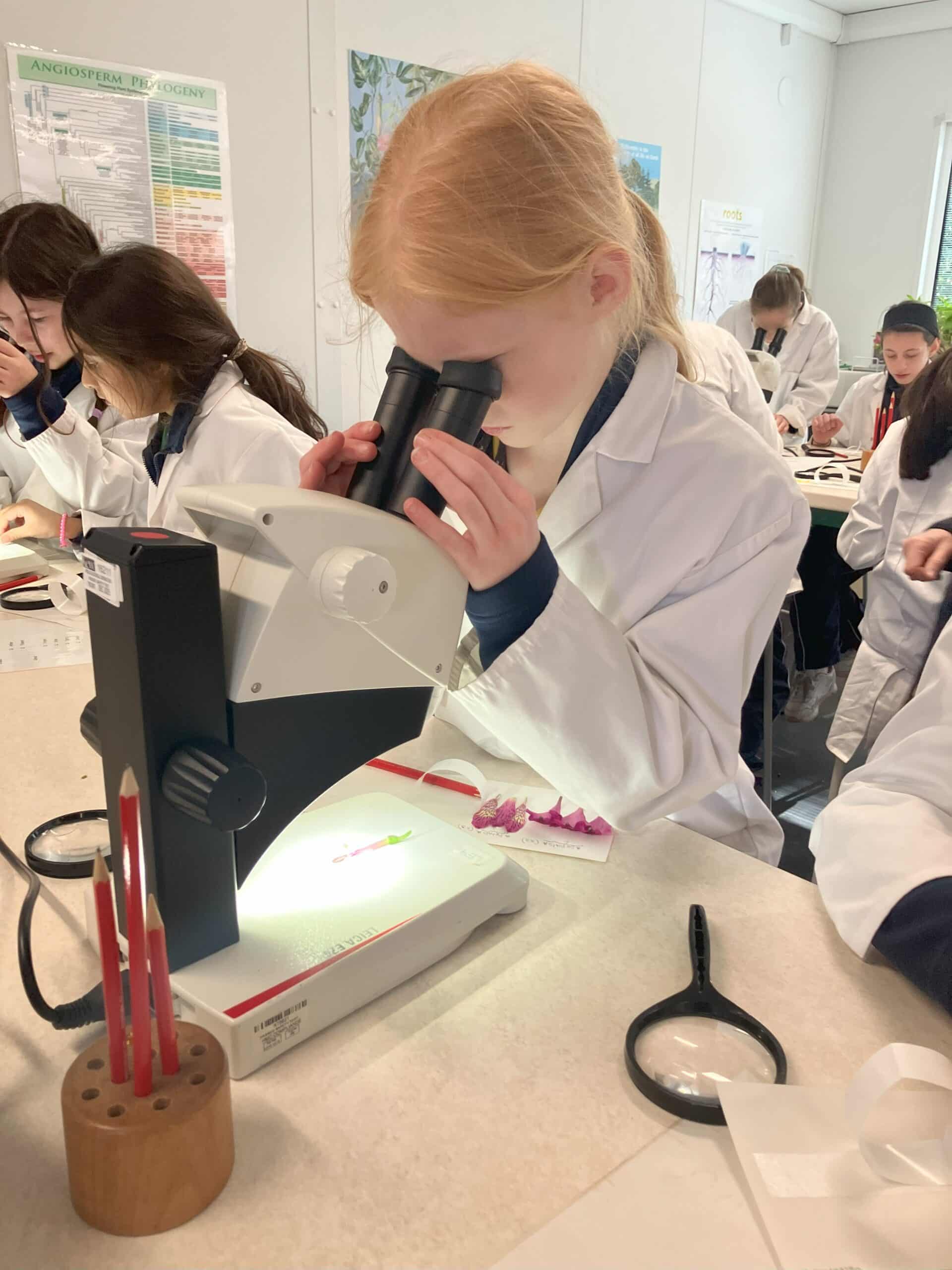
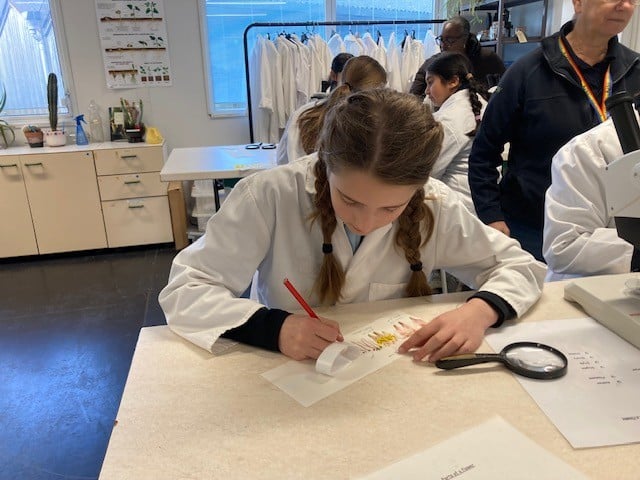
All proud of our final pieces, we tidied up and went to visit the Labs! We put on clean white coats and were diligently listening to Kim’s instructions on how to analyse the plants. We were all very eager to use the microscopes to look closer at the flowers. Soon after this we started dissecting plants and, onto a piece of paper, we stuck down petals, stamen and the ovary from which we plucked out little seeds. It was great to learn about the anatomy of plants this way!
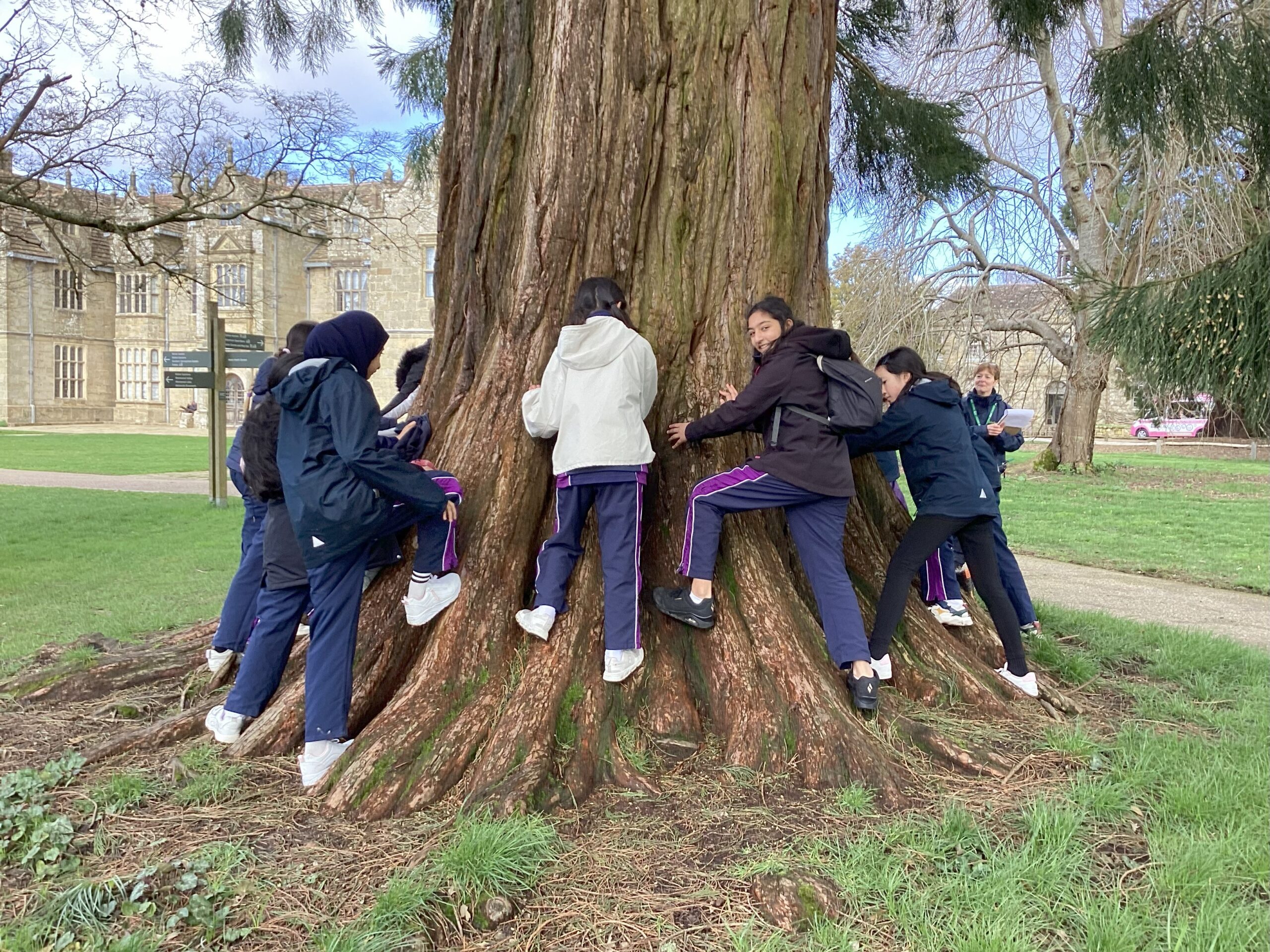
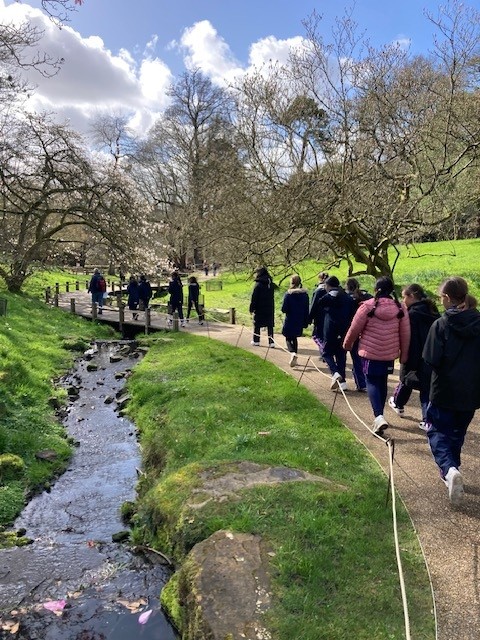
Lunch was a picnic outside on the fresh, green grass and we had the opportunity to go on an incredible nature walk. This was my favourite part of the whole trip! We split into separate groups within our class and ventured through the garden. First, we felt the redwood tree which was soft and squishy. An interesting fact- redwood trees are able to survive bush fires in their habitat, because its trunk holds a lot of water and its branches are higher than most trees, so they don’t go alight! We explored a small area of the botanic garden as the actual land is bigger than 300 football pitches!
After a beautiful day out in the wild with our fellow classmates, it was time to come back to school. We returned with fresh air in our lungs, more educated about nature and utterly exhausted after a fun filled day! It was a fascinating experience and I will most definitely be visiting again.
By Avaana S, 6S
Year 6: GDST Science Conference
On the 4th of March, five girls attended the GDST Science Conference at the Royal Institution. Nuriyah, Violet, Isabelle, Nina and Diamante, along with two excellent members of staff, experienced an astounding day with crashing cars, science talks and extracting our own DNA.
After a warm welcome by the Royal Institution staff and some refreshments, we headed to the first activity. We were asked to build and adapt a paper car to survive a crash test with a very special passenger inside. We created unusual ways to protect the car from being damaged and learnt all about the crumple zone. Once our cars were ready, we found out that our special passenger was in fact a pringle! After a very successful crash we observed the other groups’ crash tests. In the end our car had won and our pringle had survived.
Next, we were led to the theatre to listen to two extraordinary scientists. The first studied lakes and zooplankton, which are a very small, see through creatures. She talked about the fact that even though they are so small they are essential for life to thrive in the lake she studies. The second scientist studied cancer. She was coming up with a way to treat cancer by using photodynamic therapy to get rid of cancer cells in the body. They then answered many of our questions.
After lunch, we went on a very short self-guided tour of the Royal Institution, followed by our next activity. The third – which was by far our favourite activity – was extracting our DNA to put in a bottle. We all wore our goggles, gloves and lab coats to keep us safe from the chemicals we would be using. We massaged our cheeks for one minute and then drank some water and spat it back into the cup so that in our cup there were some cheek cells. With a pipette we put in 3ml of the water into a test tube and then some detergent. With a micropipette one of the members of staff there put 30 microliters of protease into the test tube. They then put the tubes into a hot bath at 50° for seven minutes. We were told that this was so that the protease had time to react. Seven minutes later, we put in some ethanol and then transferred it into a small vial and attached a cord to it and there we had our DNA in a necklace.
Immediately after, we all gathered inside the large theatre again where we watched a science show featuring the staff at the RI. The show was called The Messy Science Show. There was a tombola drum with inside plastic spheres with pieces of paper inside detailing what kind of mess it should be, such as a cold mess or a wet mess or a loud mess. Volunteers were then picked from the audience to spin the tombola drum and pick a mess. Two volunteers were selected from Sutton High School. The first was Nuriyah. She chose a plastic ball with inside a dangerous mess. The second was – when another girl chose a mess that could go wrong – one of the teachers who accompanied us (Ms Marange) was selected from the audience to sit on a stool with a poncho and have goo accidentally poured down it.
After a laugh filled day, we were at last ready to head back to school. On our way out we each received a GDST chocolate bar.
In conclusion, it was a wonderful experience and one we won’t forget. We hope that next year sixes will have as much fun as we did.
Nuriyah and Diamante, Year 6